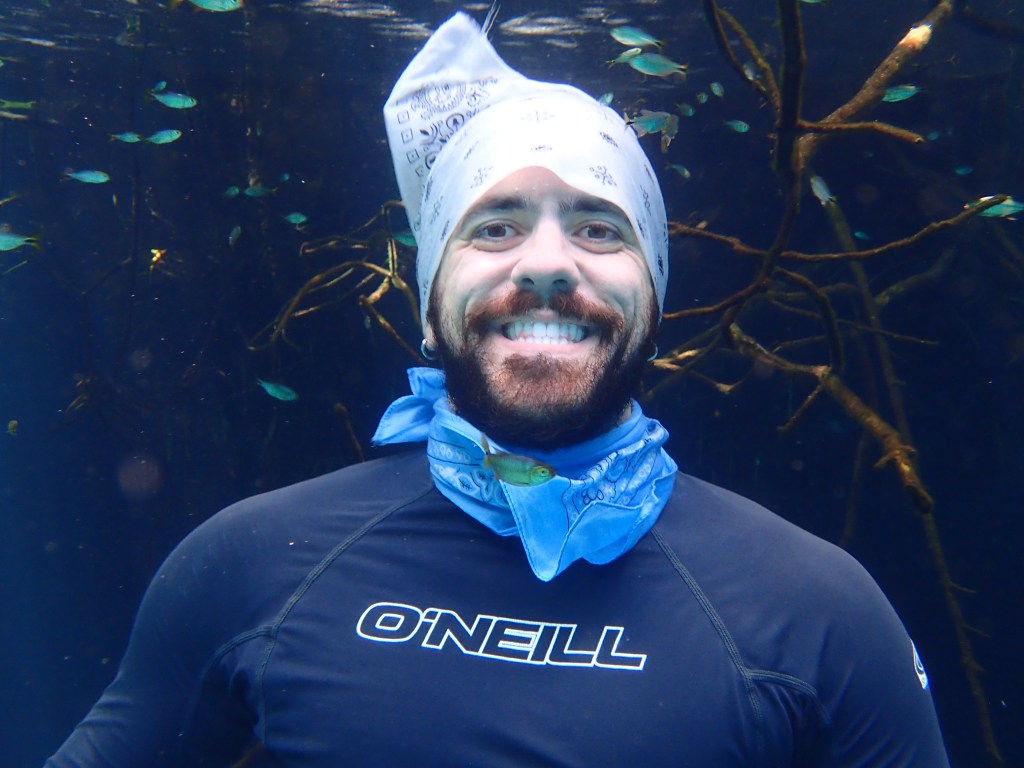
Dr. Mike Gil (he/his)
Principal Investigator
Ph.D., University of Florida, USA (2015)
B.S., University of Texas at Austin, USA (2008)
Ramaley C-389
I’m broadly interested in the intersection of ecology, evolution, conservation, and animal behavior. I use a combination of field experiments and modeling to understand how individual decision-making by wild animals can shape ecosystems and how these systems respond to human-driven environmental change. Much of my empirical work has focused on spying on fish in coral reefs, ‘Big Brother’/‘1984’-style to carefully measure (with the help of many cameras) how environmental inputs map onto behavioral outputs. My favorite study species (so far), the roving herbivores (e.g., parrotfish, surgeonfish, rabbitfish), are especially interesting to probe, because they perform the critical ecological function of controlling (by eating) algae, which can otherwise kill coral and degrade entire coral reef ecosystems. In addition to my ‘traditional Academic activities’ of research, teaching and mentoring, I founded and direct SciAll.org, a mass-science-communication platform that uses vlogging (video blogging) to humanize scientists, demystify the process of scientific discovery, and make STEM careers accessible to all. To learn more, check out SciAll.org and mikegil.com.

Joshua Manning (he/him)
Post-doctoral Researcher
PhD Biological Sciences, Florida State University ‘22
MSc Biology, California State University, Northridge ‘17
BSc Marine Science, University of Maine ‘13
joshua.manning@colorado.edu
Hello, I am Josh! I am broadly interested in the importance of animal movement and behavior to ecological processes structuring marine communities, including the responses of marine organisms to anthropogenic stressors. As a community ecologist with a strong background in coral reef ecology, I am particularly interested in how species interactions are mediated by and drive reef fish movement and space use, and how space use influences the delivery of key functions on coral reefs (e.g., grazing). As a post-doc with the Gil Lab I am excited to dig into research questions related to social/collective behavior and movement in reef fishes in Curacao! My pursuit of a career in marine science has taken me many places in the US and abroad, and my research has spanned several study systems and species, from algae to sea turtles. These experiences have contributed to my diverse research interests and perspectives, all of which I would be happy to share. So, feel free to stop by and chat!

Madelyn Hair (she/her)
Lab Manager
MSc Marine Science and Oceanography, Florida Atlantic University ’23
BSc Biology, University of Richmond ’21
Hello, I’m Madelyn! I’m broadly interested in marine animal behavior and how anthropogenic changes (pollution, climate change, habitat degradation and restoration, etc.) alter animal behaviors, interactions, and resultant ecosystem functions. I am excited to use the cutting-edge computational tools in the Gil Lab to rigorously quantify fish behavior and address these questions in an open field system. My background covers both terrestrial and coastal ecology research accompanied by community outreach, and I am passionate about applying science to inform conservation and restoration efforts.
In my free time I like to go on outdoor adventures, play piano, practice different languages, and generally explore new places!
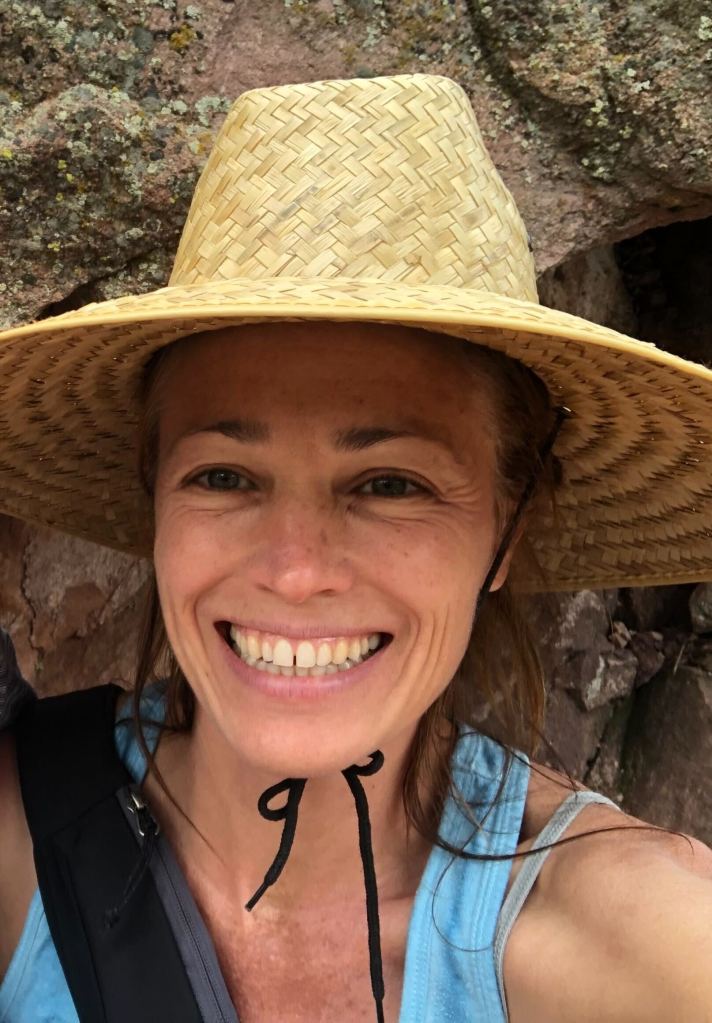
Janeene Touchton (she/her)
Lab Manager
Ph.D., Ecology and Evolutionary Biology, Princeton University M.Sc., Zoology, University of British Columbia B.A., Biology, University of Oregon
Hi! I’m Janeene (she/her). I have long been a student of the interplay between how animals behave and their environment. I am particularly interested in how individuals differ in their responses to environmental change. The bulk of my previous research focused on how individual ant-following birds varied in behaviors following the loss of a dominant competitor. I studied how this behavioral variation impacted not only population and community dynamics, but how it played a role in potential evolutionary trajectories. Despite my previous research experience primarily having been in neotropical terrestrial ecosystems, I have always been driven by a “question-first” approach. I am thus very excited to explore similar research themes with the coral reef fish community in the Gil Lab – principally the study of how individual behavioral responses to anthropogenic driven environmental changes can scale up to ecosystem level impacts. I love interacting with colleagues and students alike, and am excited to interact with the undergraduate students interested in the Gil Lab.
Having grown up in Boulder, I am delighted to be back after many years spent in the tropics. I enjoy time spent with my family, all things nature related, cooking, gardening, spending time with my big goofy dogs, and taking my little one up on the ski slopes.
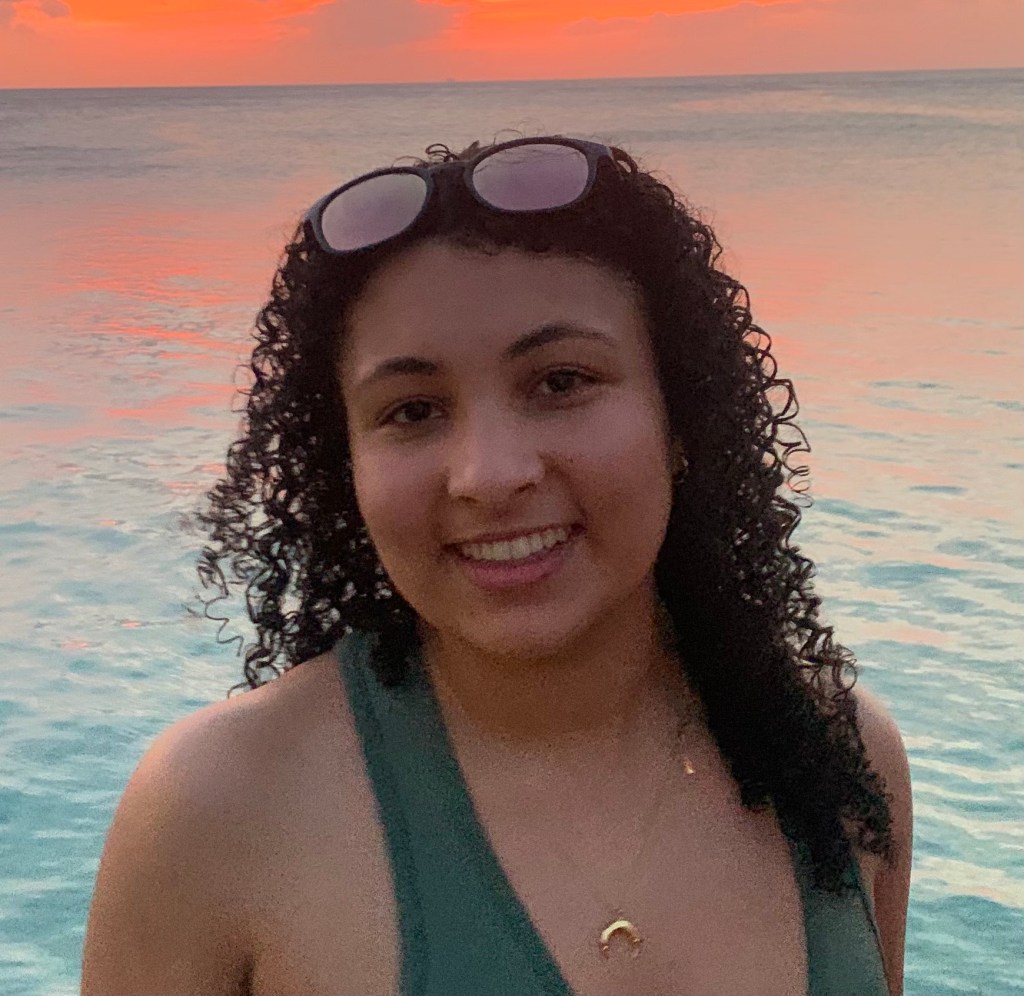
Ella Henry (she/her)
Ph.D. Student
BA & MA, University of Cambridge, UK
Hi, I’m Ella! I’m a third-year PhD student in the Gil Lab. I’m fascinated by the interplay between social behaviour and evolution, specifically how repeated social interactions that result in complex, fitness-determining collective behaviours drive evolutionary change. In my thesis, I am investigating how various characteristics of collectives—such as the makeup of individual phenotypes and group structure—affect emergent group-level outcomes and, consequently, evolutionary processes like individual fitness, selection, and demography. I am currently exploring this both empirically and theoretically with colonies of Garden Eels off the coast of Curaçao.
Outside of my research, I am dedicated to making science accessible to all. I reach both high-school and undergraduate students through organising immersive, zero-cost field experiences in both Colorado and Curaçao (paid employment), and Curaçaoan locals with my interactive website describing the research taking place on the island. Reach out if you have any questions!
Having grown up in London, I thoroughly take advantage of the access to wilderness here in Boulder and can often be found camping, trail running or jumping in alpine lakes.

Samantha “Sam” Rothberg (she/her)
Ph.D. Student
BA, Amherst College, USA
Hi! My name is Sam (she/her) and I am a third year PhD student in the Gil lab. I am originally from New York, and lived in Massachusetts before moving to Boulder for graduate school. My research is interested in understanding how animals’ social lives affect their evolutionary and demographic trajectories, and in understanding how human politics shape the way people study ecology and evolution. Slightly more specifically, I am interested in the consequences of behavioral variation within social groups of animals. To get at my questions, I use interdisciplinary methods—math, social science methods, and field studies of tent caterpillars. I love having the opportunity to read and think broadly, and synthesize ideas across these very different kinds of approaches. In my free time, I like to climb, XC ski, bake, and take care of my many named house plants.
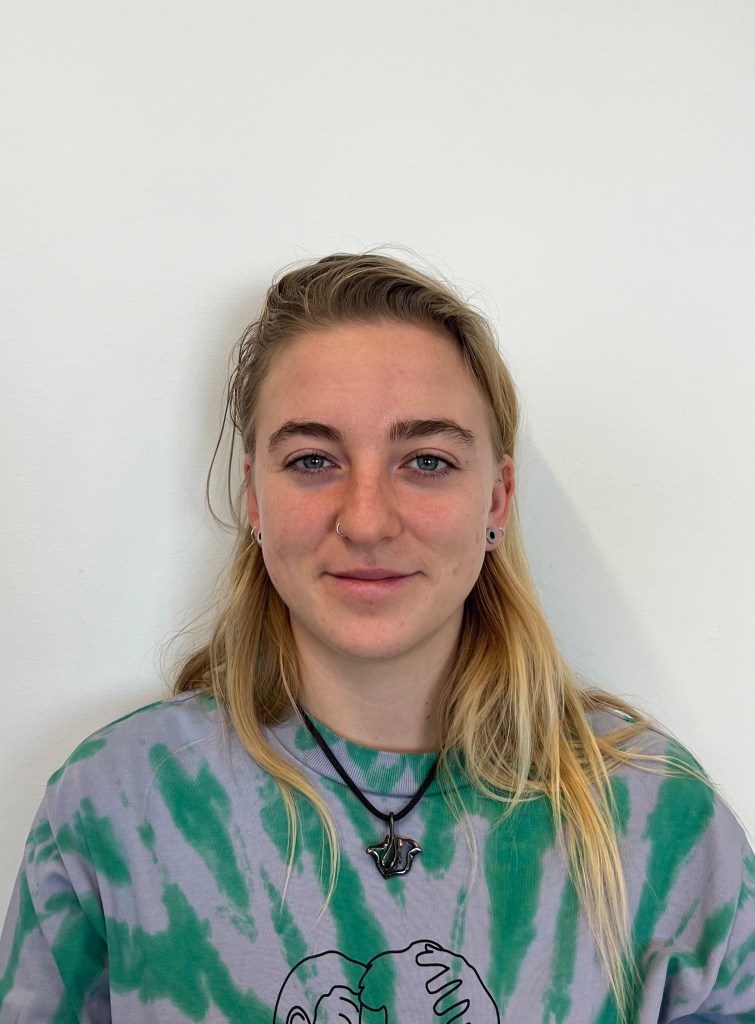
Lena Faber (she/her)
Ph.D. Student
MSc Freshwater and Marine Biology, University of Amsterdam
MSc Biology, University of Amsterdam
As a marine biologist, I feel incredibly lucky that every time I dive into the coral reef ecosystem, I am amazed and excited about studying the underwater world. I am particularly interested in how reef fish behavior interplays with the changing environment. Ultimately, I aim to incorporate this knowledge into applications to conserve coral reef ecosystems. Throughout my studies, I have developed a strong affinity for both fieldwork and using my collected data in computational and big-data analysis. I believe this approach can translate specific findings into broader, generalized concepts. I am looking forward to addressing my questions regarding the adaptive behavior of reef fish in response to climate change and other environmental stressors with these combined methods in the upcoming time as a PhD student in the Gil Lab!
Being the first one in my family to pursue a career in academia I was unsure of the challenging environment. However, my experiences have shown me how enjoyable research can be when driven by passion and surrounded by enthusiastic peers and colleagues.
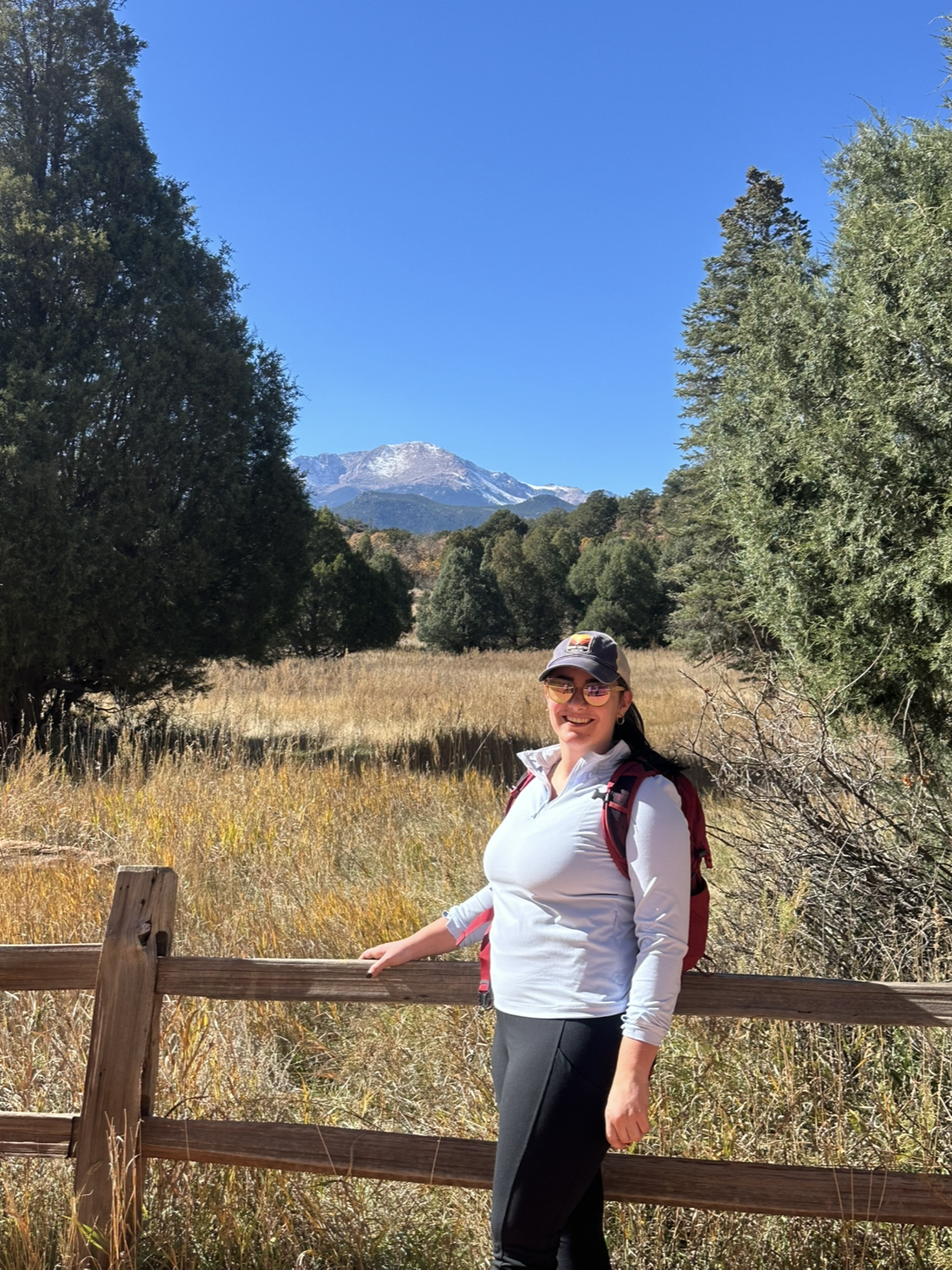
Madisen Riebock (she/her)
Research Administrative Assistant
BA Ecology & BA International Affairs, University of Georgia 19’
Hi, I’m Madisen! I’m working as a Research Administrative Assistant for the Gil Lab while I’m working on my Masters degree at CU Boulder! I’m broadly interested in ecosystem restoration and ecosystem services both in freshwater and marine systems. I’m originally from Georgia with family roots in Louisiana. Growing up, my family instilled in me a love of coral reefs and the ocean. Before joining the Gil Lab, I was working as a Wetland Restoration Scientist, which helped fuel my interest in restoring ecosystems. My goal is to help restore and conserve ecosystems while bringing those practices to the landscapes between urban environments. In my career moving forward, I’d like to bridge the implementation gap between cutting-edge research and active environmental management. I’m incredibly grateful to be working for the Gil Lab and I’m excited to learn as much as I can. When I am not working or studying, I am usually out hiking, riding horses, reading, hanging with friends, or painting!
 Gil Lab